.webp)
The Horrors of Nostalgia: How Poppy Playtime Turns Childhood Memories into Nightmares
Introduction
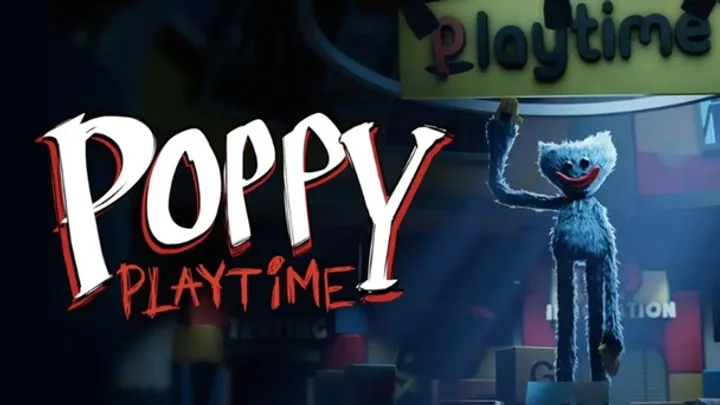
In an era where horror games chase hyperreal gore and psychological despair, Poppy Playtime takes a subtler, smarter path. Developed by MOB Entertainment, it weaponizes nostalgia itself — transforming the warm glow of childhood toys and cartoons into the stuff of nightmares.
At first glance, the game looks like a trip down memory lane: a defunct toy factory, colorful mascots, cheerful jingles. But beneath the bright plastic lies something deeply unsettling — a story about innocence corrupted, creativity exploited, and the haunting cost of progress.
1. The Toy Factory as a Symbol of Lost Innocence
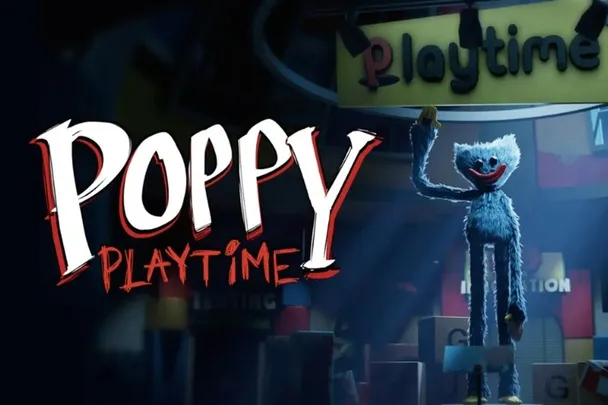
The Playtime Co. factory isn’t just a setting; it’s a metaphor for our relationship with nostalgia and consumption. Once a place of joy and imagination, it now stands silent and decayed — echoing with the screams of abandoned dreams.
Every hallway, every machine, every smiling mascot reflects the darker side of the industries that once built our childhoods: the commercialization of happiness. The factory isn’t haunted by ghosts; it’s haunted by the memory of what it used to represent.
2. Huggy Wuggy: The Mascot of Manufactured Love
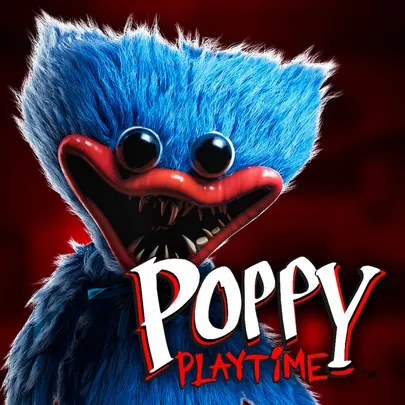
At the heart of Poppy Playtime’s terror is Huggy Wuggy — a towering blue monster with an impossibly wide smile. Once a symbol of comfort, he now embodies corporate betrayal. His design captures the essence of horror through contradiction: soft yet deadly, cheerful yet menacing.
Huggy isn’t evil by nature — he’s a creation abandoned, stripped of purpose, and driven mad by neglect. In many ways, he’s a mirror of the player’s own guilt — a reflection of how we discard what once made us happy.
3. Gameplay as Psychological Metaphor
The GrabPack, the player’s main tool, represents control and distance — a way to interact without truly touching, to manipulate without engaging. It’s symbolic of how modern people relate to their memories: reaching out, but never reconnecting.
Puzzle-solving and exploration replace combat, reinforcing the game’s theme of helplessness. You can’t fight your past — you can only navigate through it, piece by piece, trying to understand what went wrong.
4. The Power of Sound and Silence
Sound plays a crucial role in Poppy Playtime. The cheerful music boxes, the mechanical hums, and the distant footsteps of Huggy create an atmosphere that’s both nostalgic and terrifying.
The silence between sounds — the pauses — becomes the scariest part. It’s the quiet after the laughter fades, the moment you realize the joy was artificial all along.
5. Visual Design: Candy-Colored Fear
Few games use color as cleverly as Poppy Playtime. The bright, saturated hues evoke a child’s world, but when placed in decaying environments, they feel wrong — like a smile that lasts too long.
Every visual element plays with contrast: innocence vs decay, joy vs dread. The result is a unique kind of horror — one that doesn’t rely on darkness, but on light that no longer feels safe.
6. The Ethics of Entertainment
Beyond scares, Poppy Playtime critiques the entertainment industry itself. Playtime Co.’s mission to “make kids happy forever” becomes an allegory for how corporations exploit sentimentality — turning joy into profit.
The human experimentation subplot mirrors our own obsession with consuming happiness endlessly, even if it destroys authenticity. The monsters aren’t just products gone wrong — they’re the logical result of an industry that never knew when to stop.
7. Nostalgia as a Double-Edged Blade
Nostalgia is comforting because it’s selective — we remember the joy and forget the cost. Poppy Playtime forces players to confront the darker memories we conveniently erase: loneliness, loss, and the fear of growing up.
The horror doesn’t come from the toys chasing you. It comes from the realization that you once loved them.
8. From Mascots to Mythology
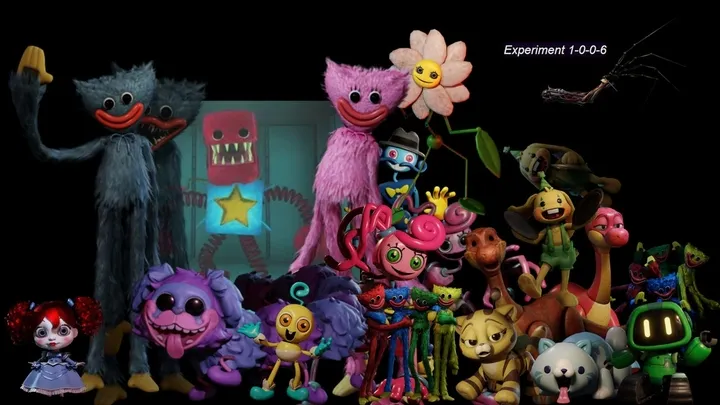
Each new chapter in Poppy Playtime expands the factory’s lore — transforming simple mascots into modern myths. Characters like Mommy Long Legs and CatNap personify different emotional states: obsession, control, guilt, and denial.
The deeper you go, the clearer it becomes — the real monster isn’t Huggy or Poppy. It’s the human desire to cling to what’s already dead.
9. The Audience as Participant
Unlike traditional horror, Poppy Playtime implicates the player. You’re not just exploring the factory — you’re complicit in its downfall. Your curiosity mirrors the corporate greed that caused the tragedy in the first place.
It’s a masterclass in interactive guilt, using gameplay to force reflection rather than offering escape.
10. Legacy and Cultural Impact
Poppy Playtime has done what few indie horrors manage — create a new cultural icon. Huggy Wuggy stands alongside Freddy Fazbear and Slenderman as a new symbol of modern horror: the familiar turned foreign.
Its viral success on YouTube and TikTok proves something deeper — that fear and nostalgia are two sides of the same coin.
 Conclusion
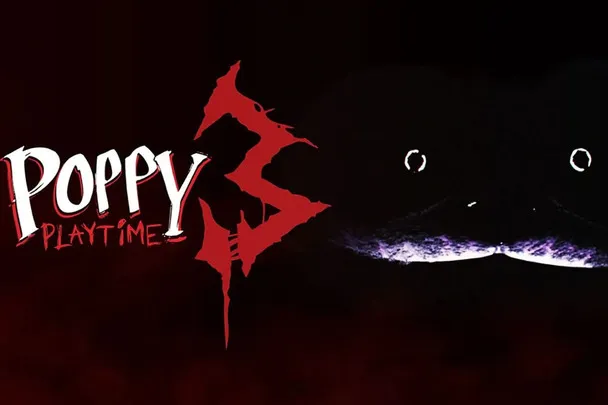
Poppy Playtime is more than a horror game; it’s a modern fairy tale about memory, greed, and loss. It asks a simple but haunting question:
“What happens to the things we stop loving?”
By turning nostalgia into terror, the game reminds us that childhood isn’t always a safe place to return to — sometimes, it’s where the monsters live.